
News Releases
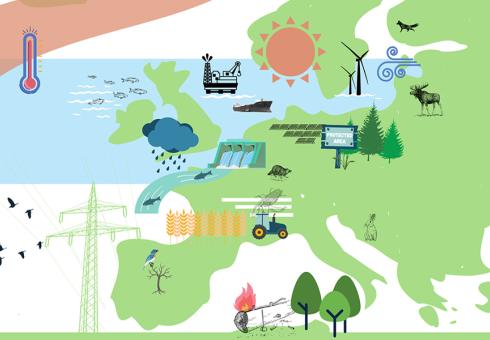
A new MIT CS3 study evaluates economic impacts of combining climate and biodiversity action

When it comes to emissions, individual driving patterns matter as much as how “green” the regional electricity mix is, finds study co-authored by MIT Professor/CS3 faculty affiliate Jessika Trancik (MIT News) (Coverage: NPR)
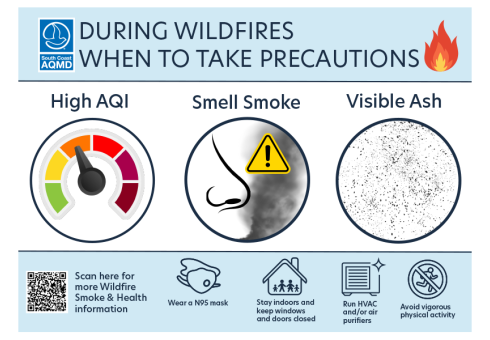
MIT researchers show where today’s models fall short
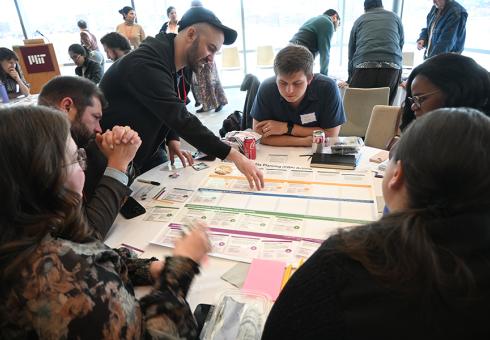
Living Climate Futures Symposium explores climate challenges and solutions at the community level
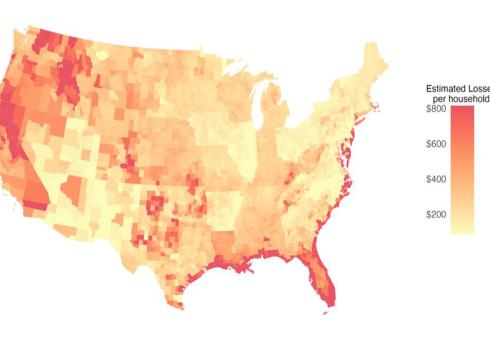
A working paper co-authored by MIT professors/CS3 faculty affiliates Christopher Knittel and Catherine Wolfram estimates the costs that climate change imposes on U.S. households (MIT CEEPR)
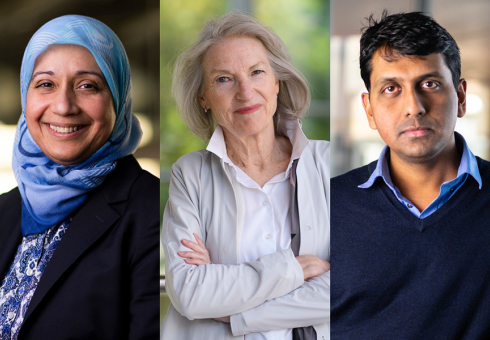
CS3-affiliated research scientist in MIT AeroAstro's Engineering Systems Laboratory recognized for her work in geography and environmental studies (MIT News)
The CS3-affiliated professor of energy and applied economics at the Sloan School of Management is one of five MIT faculty members to receive this honor (National Academy of Sciences) (Coverage: Forbes)

Scientists say an exception in the Montreal Protocol for the use of ozone-depleting feedstocks could set the ozone recovery back seven years, in new study co-authored by MIT Prof./CS3 faculty affiliate Susan Solomon and CS3 Research Scientist Luke Western (MIT News)

From insurance premiums to energy bills, a study co-authored by MIT Sloan School of Management professors/CS3 faculty affiliates Christopher Knittel and Catherine Wolfram shows how Americans are already paying the price of climate change, and climate inaction, driven by extreme weather (MIT Sloan School of Management) (Commentary: WBUR; Coverage: Time, Gizmodo)
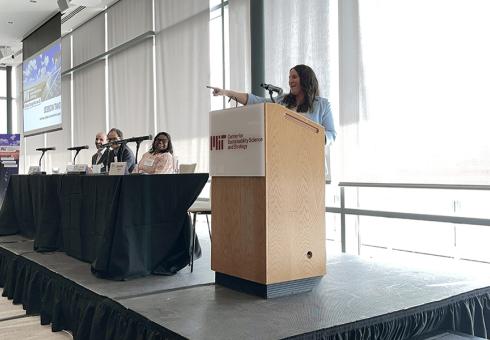
Key points from the 48th MIT Global Change Forum

With warmer ocean temperatures, the composition of marine plankton could shift from protein-rich to carb-heavy, suggests new study co-authored by MIT CS3 Senior Research Scientist Stephanie Dutkiewicz (MIT News) (Coverage: Earth.com, Oceanographic Magazine)

Climate simulation tools can help close the gap between global leaders’ climate knowledge and real-world decision-making, finds research from MIT Prof./CS3 faculty affiliate John Sterman and co-authors of new study (MIT Sloan School of Management)