
News + Media
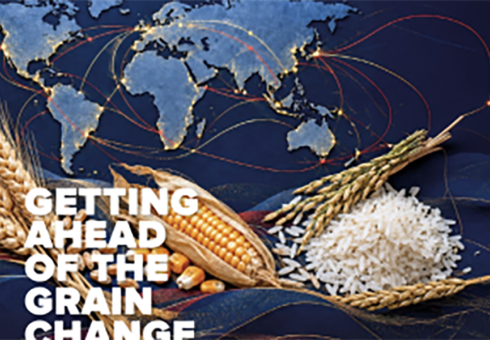
Jameel Index for Food Trade and Vulnerability and J-WAFS/CS3-affiliated Research Scientist Kenneth Strzepek featured in October issue of Miller Magazine (Miller Magazine)
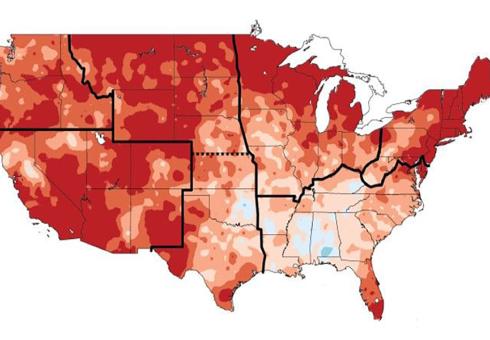
Findings indicate where adaptive measures are needed most
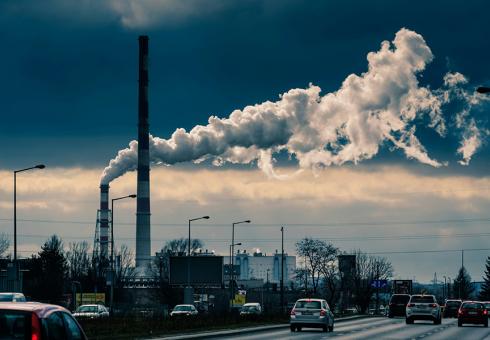
A new review co-authored by MIT Professor/CS3 faculty affiliate Susan Solomon shows that more than three decades of climate “fingerprint” research has provided overwhelming evidence that greenhouse gas emissions are driving changes throughout Earth’s climate system (AGU / University of East Anglia)
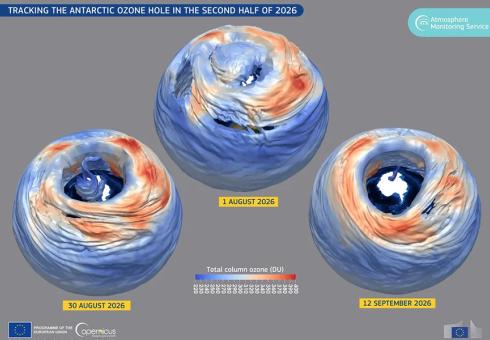
The size of the hole in the stratosphere’s ozone layer fluctuates every year, but last month’s, measuring 10.6 million square miles, was especially large. However, longer term trends indicate that the ozone hole is slowly recovering as expected, says MIT Professor/CS3 faculty affiliate Susan Solomon. (Smithsonian Magazine)
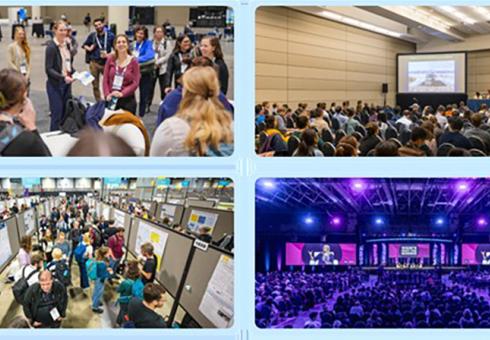
MIT CS3 presentations and sessions explore multiple sustainability challenges and solutions
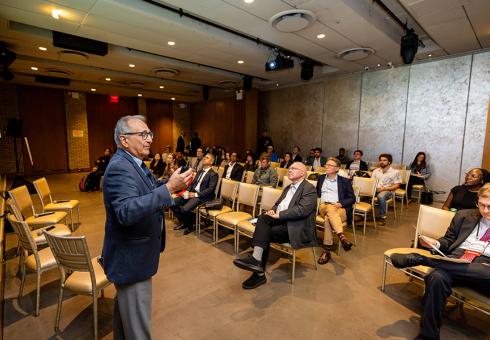
At New York Climate Week panel, MIT J-WAFS and CS3-affiliated Research Scientist Ken Strzepek introduced the Jameel Index for Food Trade and Vulnerability (MIT J-WAFS)
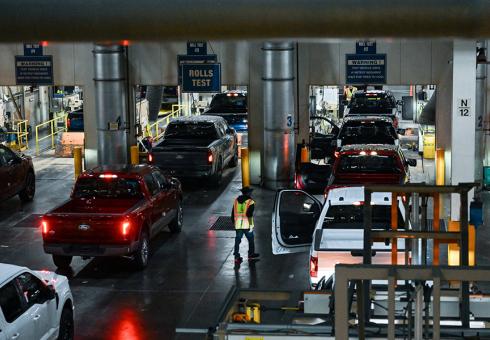
A paper co-authored by MIT Professor/CS3 faculty affiliate Christopher Knittel argued that the administration's calculations contained major inconsistencies, such as in its assumptions about how consumers value the benefits of saving fuel. "If you do the analysis right, we found that revoking these standards does not save consumers money," said Knittel. (New York Times)
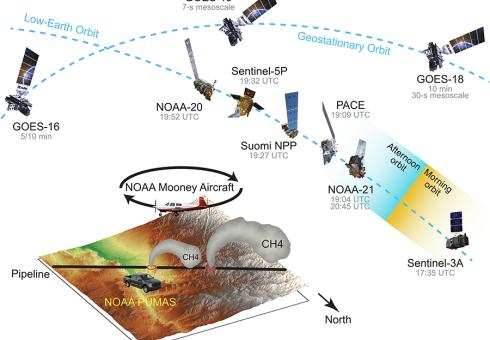
MIT Professor/CS3 faculty affiliate Daniel Varon and other researchers in the Varon Lab conducted a unique experiment with NOAA that involved operating nine satellites to observe methane emissions from a planned industry release, which enabled the first direct validation of the satellites’ methane data products (MIT AeroAstro)
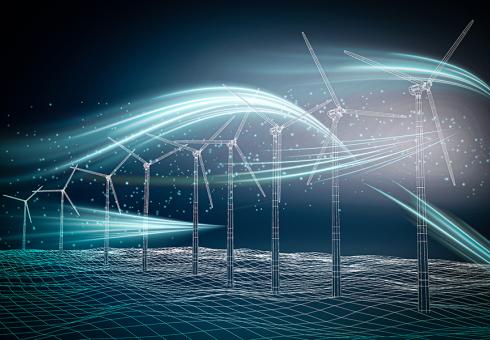
A new way of simulating wind turbines in the field shows how tweaking turbine operation could unlock tens of thousands of dollars per turbine every year, finds study co-authored by MIT Professor/CS3 faculty affiliate Michael Howland (MIT News) (Related: Turning Alternative Energy Solutions into 'Economic No-Brainers' (MIT Spectrum))
Brazil will chair a new body in an ambitious effort to align the world’s fragmented carbon markets – a development that MIT Prof./CS3 faculty affiliate Catherine Wolfram calls a 'huge step' (Eco-Business)
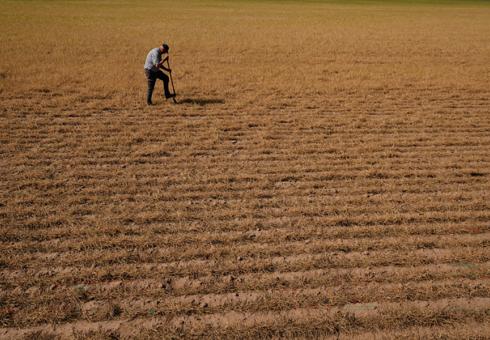
MIT Professor/CS3 faculty affiliate Christopher Knittel highlights how climate change is being drowned out of the national cost-of-living debate, even as U.S. households already pay an estimated $400 to $900 a year in climate-related costs (Politico)
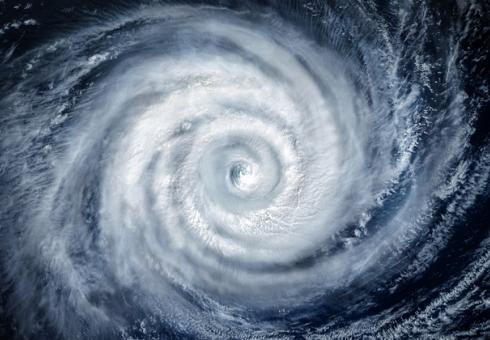
The Climate Grand Challenges “New World of Weather” project, which involves several CS3-affiliated researchers, shows how modeling, planning tools, and infrastructure analysis are translating research into real-world resilience (Office of the Vice President for Energy and Climate)