
News Releases
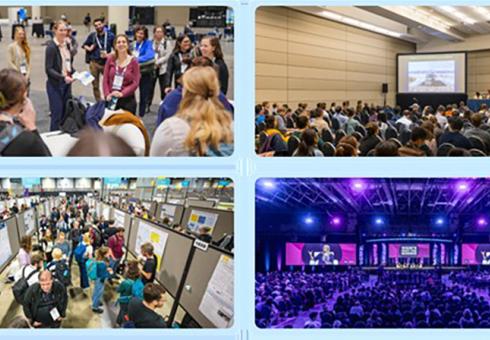
MIT CS3 presentations and sessions explore multiple sustainability challenges and solutions
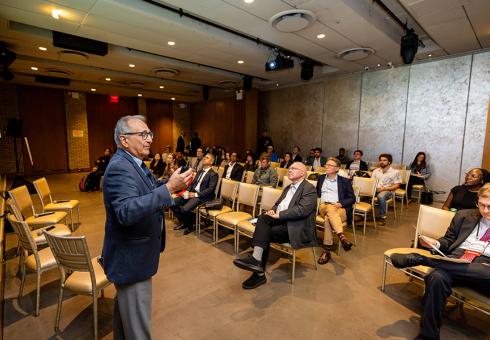
At New York Climate Week panel, MIT J-WAFS and CS3-affiliated Research Scientist Ken Strzepek introduced the Jameel Index for Food Trade and Vulnerability (MIT J-WAFS)
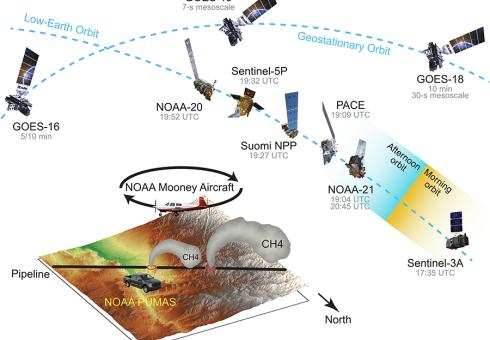
MIT Professor/CS3 faculty affiliate Daniel Varon and other researchers in the Varon Lab conducted a unique experiment with NOAA that involved operating nine satellites to observe methane emissions from a planned industry release, which enabled the first direct validation of the satellites’ methane data products (MIT AeroAstro)
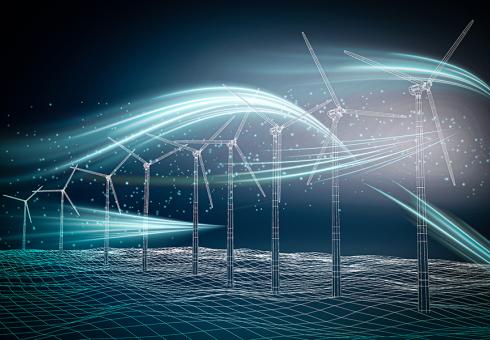
A new way of simulating wind turbines in the field shows how tweaking turbine operation could unlock tens of thousands of dollars per turbine every year, finds study co-authored by MIT Professor/CS3 faculty affiliate Michael Howland (MIT News) (Related: Turning Alternative Energy Solutions into 'Economic No-Brainers' (MIT Spectrum))
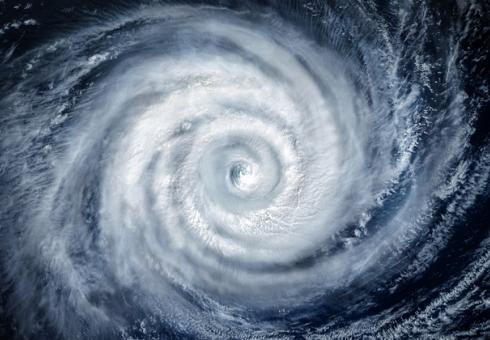
The Climate Grand Challenges “New World of Weather” project, which involves several CS3-affiliated researchers, shows how modeling, planning tools, and infrastructure analysis are translating research into real-world resilience (Office of the Vice President for Energy and Climate)
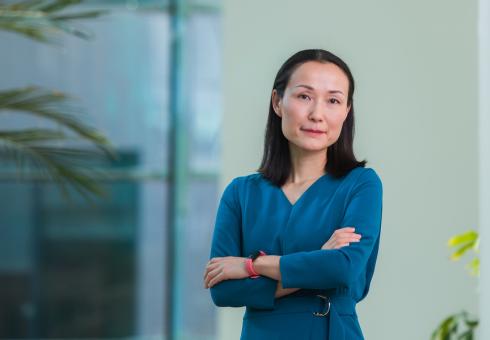
MIT Professor/CS3 faculty affiliate Haruko Wainwright believes the risks posed by radioactive wastes cannot be properly assessed without also considering the hazards of chemical wastes (MIT Department of Nuclear Science and Engineering)
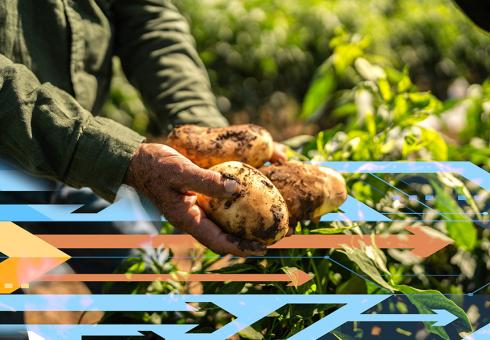
In some regions of the world, the poorest people may spend about 50 percent of their income on food, while the richest spend about 5 percent, finds paper co-authored by MIT CS3 Principal Research Scientist Jennifer Morris (MIT News)

In this new report co-authored by MIT Professor/CS3 faculty affiliate Catherine Wolfram, the Global Climate Policy Project proposes a way to compare and connect different carbon-pricing systems without forcing them into a single model (Global Climate Policy Project)
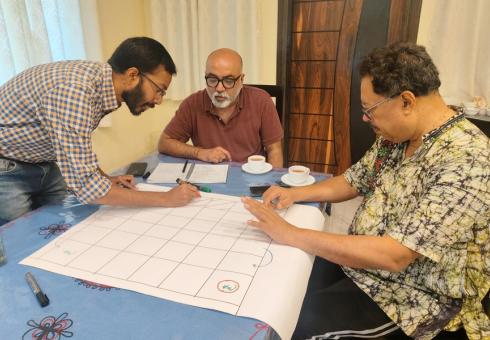
Climate scientist/CS3 affiliate Sai Ravela is using games to help coastal communities find creative adaptations to climate change. (Abdul Latif Jameel Water and Food Systems Lab)
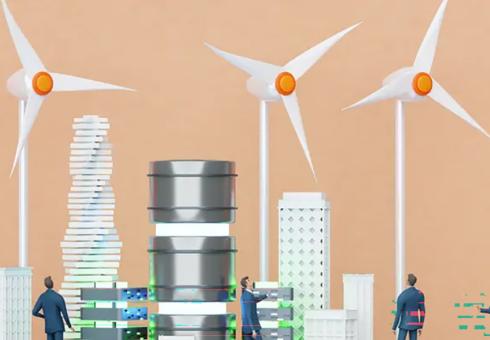
MIT Professor/CS3 faculty affiliate John Sterman and co-author of a forthcoming book chapter find that AI’s biggest climate threat isn’t the power draw of data centers — it’s the economic growth AI unleashes (MIT Sloan School of Management) (MIT Sloan Commentary: Can AI’s climate benefits outweigh its costs?)

MIT CS3 Principal Research Scientists Jennifer Morris and Angelo Gurgel to lead project that aims to enable decision-makers to assess potential economy-wide impacts of multiple decarbonization pathways (Schmidt Sciences)
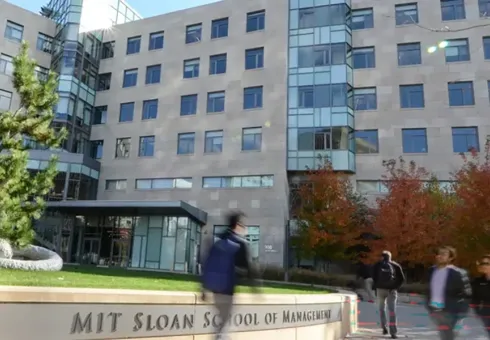
A new MIT Sloan School of Management initiative co-led by Professor/CS3 faculty affiliate Christopher Knittel, aims to design the financial architecture needed to bring breakthrough climate innovations from technical promise to commercial scale (MIT Sloan School of Management)