
CS3 In the Media
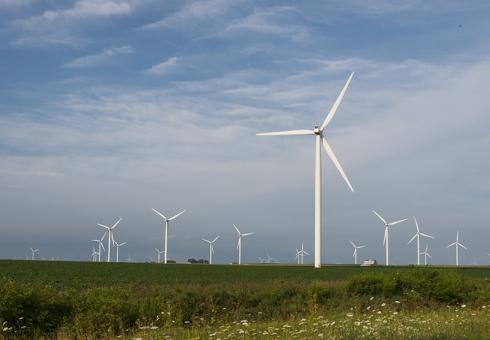
MIT Joint Program Co-Director Emeritus John Reilly highlights key challenges (Associated Press)

Emissions are attributed to the country where they happen geographically—even if the energy produced, or the products manufactured, are destined for somewhere else (MIT Climate Portal)
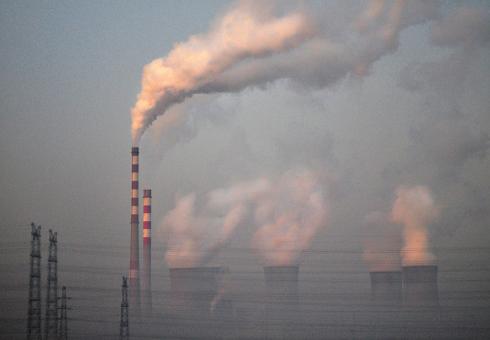
Figure represents 64-66% of global output of tetrafluoromethane and hexafluoroethane, MIT study finds (The Guardian)

New data shows global temperatures breached the crucial 1.5 degrees Celsius threshold for 12 months in a row. What does this sustained heat mean for tackling climate change? (DW)

Upcoming MIT Joint Program study aims to provide a comprehensive analysis of sustainable aviation fuel deployment scenarios up to 2050 (LatinAmerican Post)

A new downscaling method leverages machine learning to speed up climate model simulations at finer resolutions, making them usable on local levels (MIT EAPS)
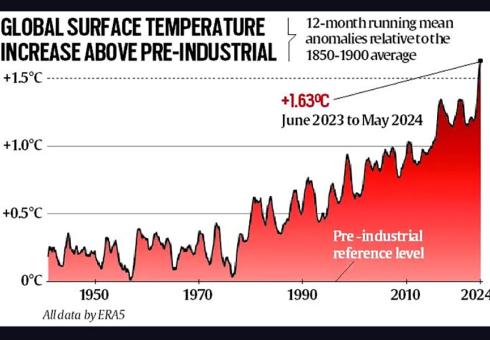
There is an 80% chance that the world will temporarily cross the 1.5 degree Celsius threshold in the next five years. A long-term breach would accelerate and intensify the catastrophic impacts of climate change. (The Indian Express)

MIT Joint Program Deputy DIrector Sergey Paltsev highlights lower climate impact of EVs over conventional vehicles (MSN, The Cool Down)

MIT Joint Program Deputy Director C. Adam Schlosser offers his perspective on local, regional and global climate trends (Boston Globe)
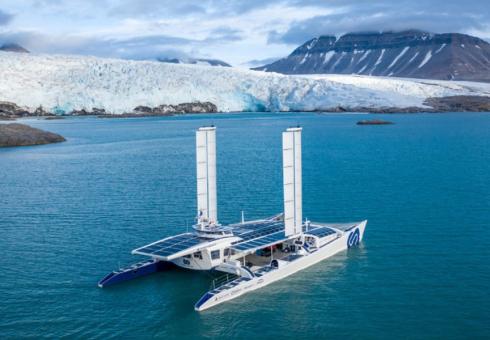
Launched in 2017 in France, the Energy Observer operates as a mobile clean energy laboratory and as a demonstration of its onboard technologies (Boston Globe)

“Clean energy” usually refers to energy sources that produce no climate-warming greenhouse gas emissions in their operation. That doesn’t mean they have zero impact on the environment. (MIT Climate Portal)

The balance of phytoplankton populations in the sea is shifting as a result of human-induced climate change, altering the oceans in profound ways (BBC)