
CS3 In the Media
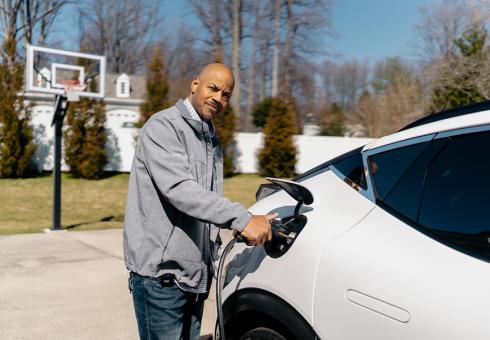
Behind the headlines, evidence points to an industry continuing to grow and innovate (Christian Science Monitor)
MIT Joint Program Deputy Director Sergey Paltsev shares his perspective on the TILclimate podcast (MIT Climate Portal)
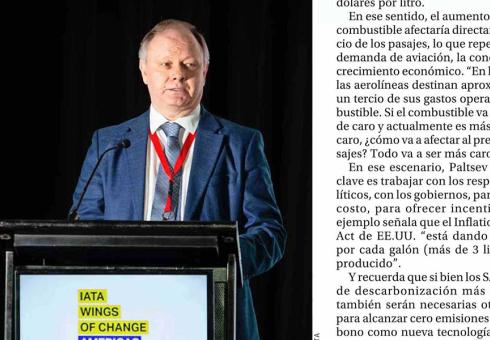
So said MIT Joint Program Deputy Director Sergey Paltsev in a presentation at the April 10-11 Wings of Change Americas conference in Santiago, Chile (Litoral Press, Spanish)

New version incorporates last four years of climate knowledge (MIT Environmental Solutions Initiative)
MIT Joint Program Research Scientist Angelo Gurgel shares his expertise as a guest on the Anti-Dread Climate Podcast (NPR/KCRW)

This measure, developed by MIT researchers, reflects direct effects on people’s quality of life — and reveals significant global disparities (MIT News)
Supply-side restrictions, like shutting down new oil wells or gas pipelines, tend to lead to more imports and minimal impacts on greenhouse gas emissions—unless paired with other policies that limit demand for fossil fuels (MIT Climate Portal)

As part of the new Climate Project at MIT, the center will create and strengthen connections between leading climate researchers and policymakers (MIT Sloan School of Management) (Coverage: Boston Globe, Axios, MIT Technology Review)
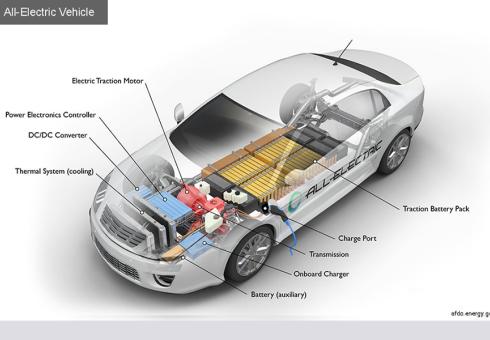
Study suggested EVs expel more particulate matter through their tires and brakes than modern gas-powered vehicles due to added weight from batteries (Daily Mail)
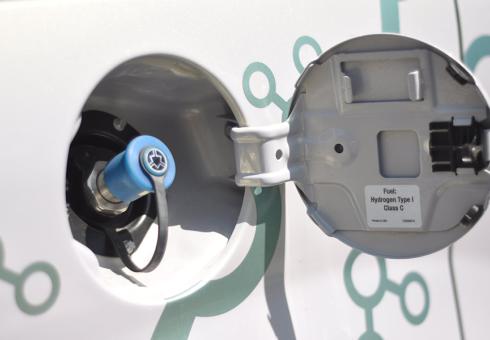
Batteries are dominating zero-emissions vehicles, and the fuel has better uses elsewhere (MIT Technology Review)
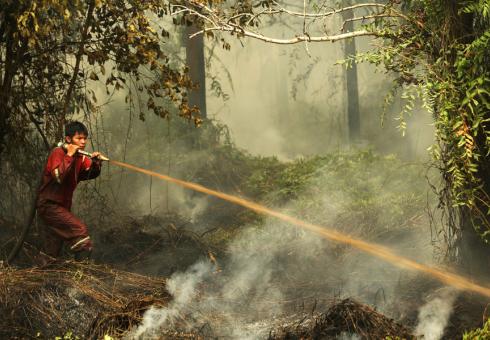
Research in Southeast Asia quantifies how much wildfire smoke hurts peoples’ moods; finds the effect is greater when fires originate in other countries (MIT News)
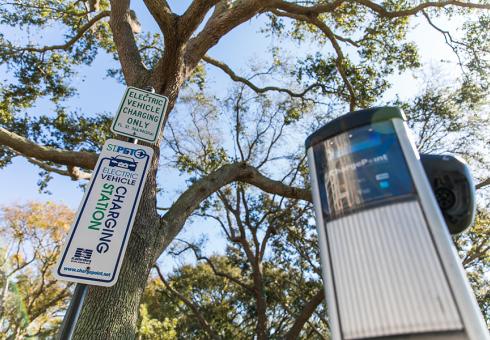
EV's higher manufacturing emissions are more than offset by their lower operational emissions, says MIT Joint Program Deputy Director Sergey Paltsev (FactCheck.org)