In The Media
WBUR
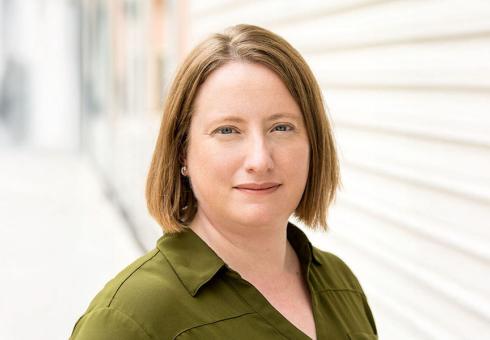
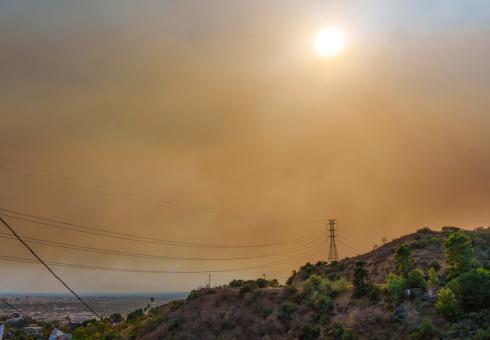
Senior author and CS3 Director Noelle Selin underscores the importance of policies that reduce air pollution (WBUR) (Audio)

Senior author and CS3 Director Noelle Selin underscores the importance of policies that reduce air pollution (WBUR) (Audio)
It’s possible, but if paving has had any effect on world temperatures, it’s far outweighed by our greenhouse gas emissions, says MIT CS3 Deputy Director Adam Schlosser. (MIT Climate Portal)
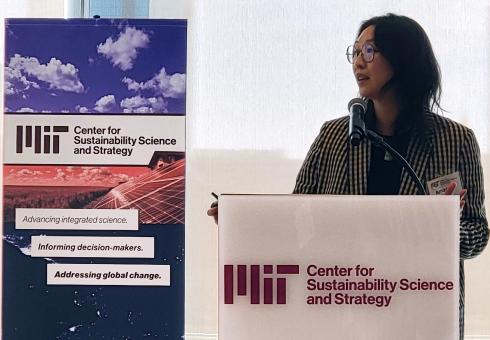
MIT’s Center for Sustainability Science and Strategy brings together natural and social scientists for an integrated approach to climate challenges (MIT Spectrum)
Study co-authored by MIT CS3 researchers shows ground-level ozone in North America and Western Europe may become less sensitive to cutting NOx emissions. The opposite may occur in Northeast Asia. (MIT News) (Coverage: Air Quality News, Earth.com)
An MIT Professor and CS3 faculty affiliate, Solomon was recognized for her groundbreaking work in atmospheric chemistry and climate science (Royal Society of Chemistry)
With projected global warming, the frequency of extreme storms will ramp up by the end of the century, finds new study co-authored by CS3-affiliated principal research scientist Sai Ravela (MIT News) (Coverage: Independent)
Key points from the 47th MIT Global Change Forum
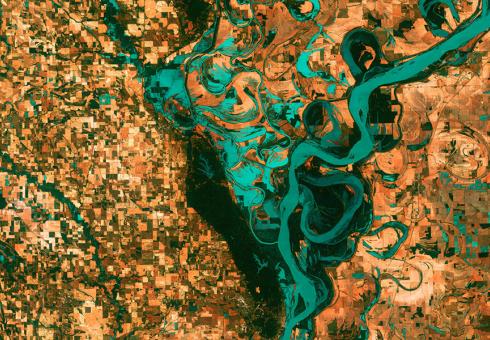
The Impacts of Extreme Weather Events in the Mississippi River Basin: Enhancing Agriculture Modeling
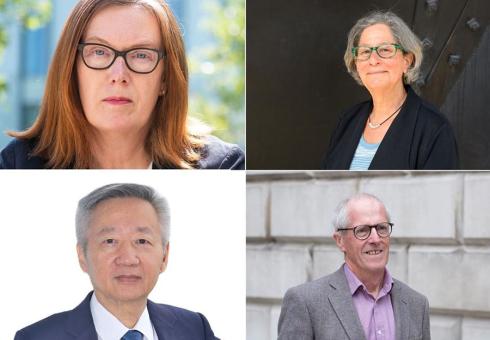
One of 471 scientists, engineers and innovators to be recognized for their scientifically and socially distinguished achievements (MIT Department of Earth, Atmospheric and Planetary Sciences)
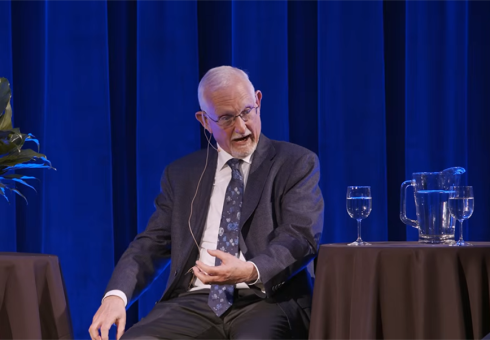
MIT Energy Initiative Senior Research Engineer and CS3-affiliate Howard Herzog discussed the challenges and benefits of carbon capture and storage during this year’s Isaac Asimov Memorial Debate, where panelists discussed geoengineering—a controversial approach to addressing climate change that some believe worth exploring (MIT Energy Initiative)
In seafloor sediments, stalagmites, ice sheets and other natural records preserved from the ancient past, “paleoclimatologists” like MIT CS3 faculty affiliate David McGee search for clues to past temperatures, atmospheres and weather patterns. (MIT Climate Portal)