News Release
First workshop explores concept and potential research directions

First workshop explores concept and potential research directions
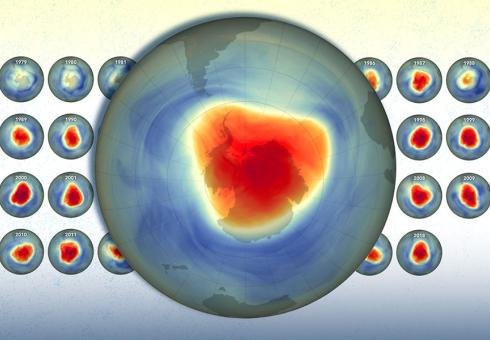
Study co-authored by MIT Professor/CS3 faculty affiliate Susan Solomon shows with high statistical confidence that ozone recovery is going strong (MIT News) (Coverage: The Weather Channel, Earth.com, Yahoo)
The steel, cement, chemicals, agriculture, textiles and of course energy industries are all major emitters of climate-warming greenhouse gases—but the headline numbers don’t tell the whole story. MIT CS3 Deputy Director Sergey Paltsev explains. (MIT Climate Portal)
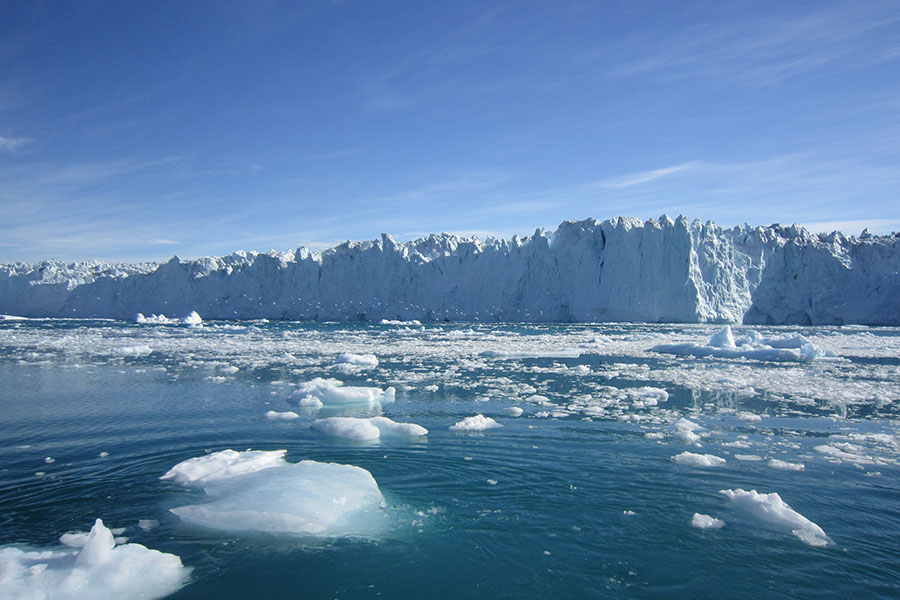
Amid growing concern about environmental and socioeconomic “tipping point” events, the MIT Center for Sustainability Science and Strategy (CS3) has launched a new, interactive workshop series aimed at advancing research discussions and collaborations to better understand, predict and inform proactive responses to their potential emergence. The kickoff Tipping Points workshop, held on February 27 on Zoom and facilitated by CS3 Deputy Director C. Adam Schlosser and Principal Research Scientist Jennifer Morris, included an overview of the concept, three flash talks on tipping points science and its potential application, and breakout sessions to identify key research challenges and opportunities.
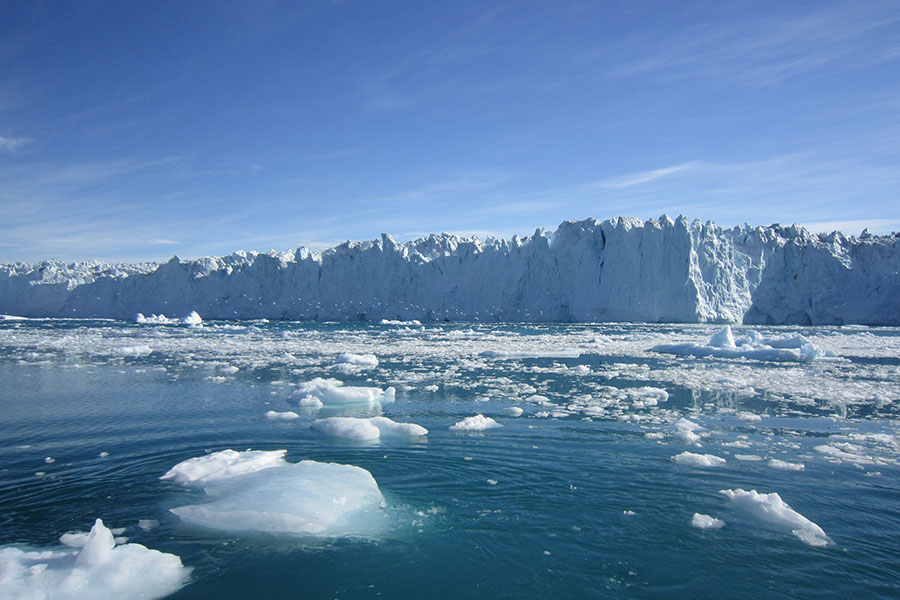
Amid growing concern about environmental and socioeconomic “tipping point” events, the MIT Center for Sustainability Science and Strategy (CS3) has launched a new, interactive workshop series aimed at advancing research discussions and collaborations to better understand, predict and inform proactive responses to their potential emergence. The kickoff Tipping Points workshop, held on February 27 on Zoom and facilitated by CS3 Deputy Director C. Adam Schlosser and Principal Research Scientist Jennifer Morris, included an overview of the concept, three flash talks on tipping points science and its potential application, and breakout sessions to identify key research challenges and opportunities.
MIT CS3 Deputy Director C. Adam Schlosser assesses worst-case climate impacts on human populations (Geographical)
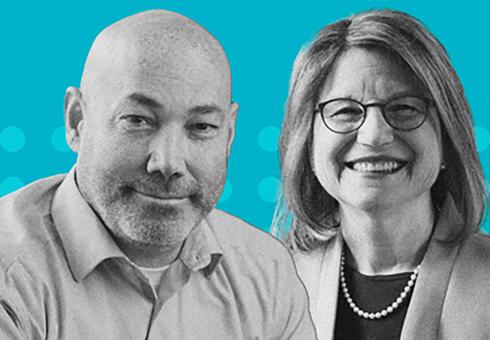
MIT President Sally Kornbluth discusses glacier-related sea-level rise and potential mitigation solutions with geophysicist Brent Minchew (MIT News)
MIT CS3-affiliated oceanographer and biogeochemist Andrew Babbin has voyaged around the globe to investigate marine microbes and their influence on ocean health (MIT News)
Paleoclimate and geochronology specialist is known for contributions to education and community (MIT School of Science)
Three questions with MIT CS3's Kevin Lin Yang, a master’s student in MIT’s Technology and Policy Program focusing on energy and environment
Here’s why scientists say it’s far from “game over” for the planet (Boston Globe)
The burgeoning global food trade is a lifeline for billions, but it is fragile and hard on the planet (Science)