News Release
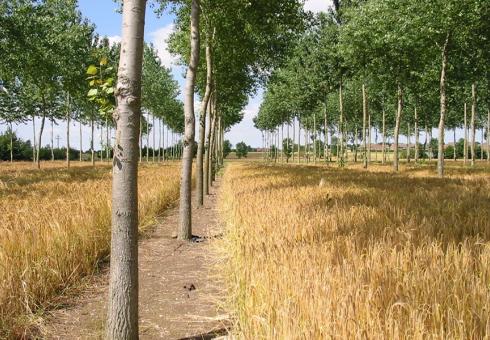
MIT CS3-led case study of Italian farmland shows potential of agroforestry to sequester carbon

MIT CS3-led case study of Italian farmland shows potential of agroforestry to sequester carbon
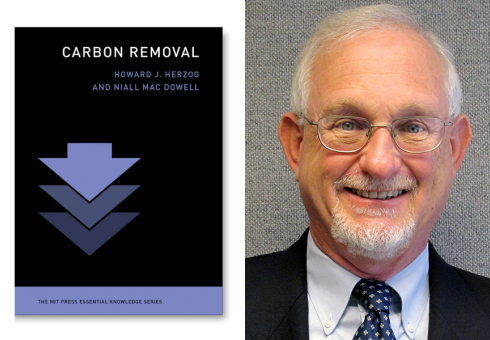
"Carbon Removal," co-authored by MIT Energy Initiative Senior Research Engineer/CS3 affiliate Howard Herzog, provides overview and assessment of proposed methods of removing carbon from the atmosphere as a means of mitigating climate change (MIT Energy Initiative)
MIT CS3 researchers to lead two projects that will explore viable pathways for expanding clean electricity and deploying ammonia as a low-carbon alternative fuel (MIT Energy Initiative)
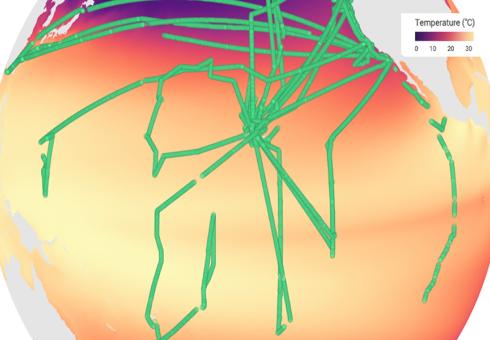
Steep decline in Prochlorococcus could significantly alter marine food web and carbon cycle, according to study co-authored by MIT CS3 Principal Research Scientist Stephanie Dutkiewicz (CBIOMES) (Coverage: University of Washington, Washington Post, Associated Press, ABC News)
A special issue of the MIT CS3 e-newsletter
MIT CS3 principal research scientist describes his career path and its potential impact
Institute-wide project taps social science to reframe the problem and identify more viable solutions
An analysis of social media in 157 countries finds hotter weather is associated with more negative sentiments (MIT News) (Coverage: Earth.com)
New research can identify opportunities to drive down the cost of renewable energy systems, batteries, and many other technologies, finds study co-authored by Jessika Trancik, a CS3-affiliated professor at MIT’s Institute for Data, Systems and Society. (MIT News)
MIT Professor Jessika Trancik, a CS3 faculty affiliate, takes a big picture view of how energy systems are shaped and where there is opportunity to innovate (MIT Energy Initiative)
Climate change left its signature on the atmosphere early in the industrial revolution, reveals a thought experiment investigation by MIT Professor/CS3 faculty affiliate Susan Solomon and co-authors (Scientific American)
Some marine photoplankton can adapt to changing light, altering ocean ecosystems and, potentially, carbon storage, finds a study co-authored by MIT CS3 Senior Research Scientist Stephanie Dutkiewicz (NASA)