News Release
Series provides overview of the Earth’s climate system, its societal impacts, and efforts to minimize those impacts

Series provides overview of the Earth’s climate system, its societal impacts, and efforts to minimize those impacts
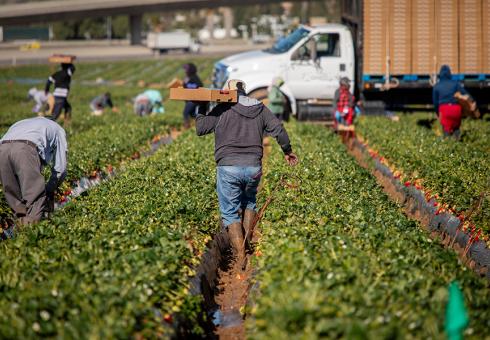
MIT CS3 Principal Research Scientist Jennifer Morris co-authors 7th Insight, 'Impacts on labor productivity,' which shows how Increasing heat stress is projected to reduce working hours and economic output (Carbon Brief)
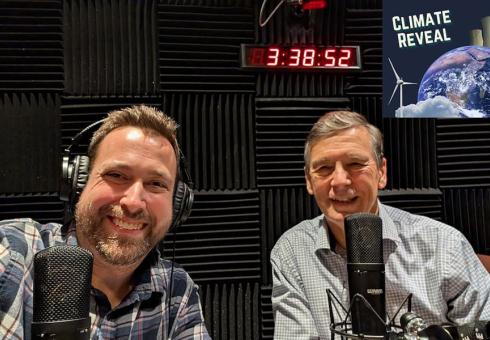
Multiple MIT CS3 researchers have shared their climate science and policy expertise on the new podcast (Boston College Schiller Institute)
A conversation about the impact of climate change on human health with MIT CS3 Director/Professor of Atmospheric Chemistry Noelle Selin and Boston College Professor of Biology/Director of the Global Observatory on Planetary Health Philip Landrigan, a pediatrician/public health physician. Each episode of Climate Reveal takes a deep dive into a specific aspect of the climate crisis and ongoing work toward solutions. (Boston College Creative Communication Lab)
A conversation with Frances Moore Lappé, co-founder of the Small Planet Institute and author of Diet for a Small Planet, and MIT CS3 Principal Research Scientist Angelo Gurgel about how what we eat impacts the climate at multiple levels. Each episode of Climate Reveal takes a deep dive into a specific aspect of the climate crisis and ongoing work toward solutions. (Boston College Creative Communication Lab)
WBZ Chief Meteorologist Eric Fisher and MIT CS3 Deputy Director C. Adam Schlosser discuss how we know the climate is changing, why it's so difficult to talk about in this current moment, and how to stay positive and optimistic when dealing with such a big problem. Each episode of Climate Reveal takes a deep dive into a specific aspect of the climate crisis and ongoing work toward solutions. (Boston College Creative Communication Lab)
MIT CS3 Deputy Director Sergey Paltsev shares his expertise in a conversation about the energy needs of the world and the best big-picture approach to meet those needs moving forward. Each episode of Climate Reveal takes a deep dive into a specific aspect of the climate crisis and ongoing work toward solutions. (Boston College Creative Communication Lab)
MIT CS3 Principal Research Scientist Jennifer Morris co-authors 7th Insight, 'Impacts on labor productivity,' which shows how increasing heat stress is projected to reduce working hours and economic output (Future Earth)
The cost of climate policy action may already be less than household costs of climate change, which will likely increase in years to come, finds study co-authored by MIT Professor/CS3-affiliate Catherine Wolfram (Brookings) (Coverage: Heatmap)
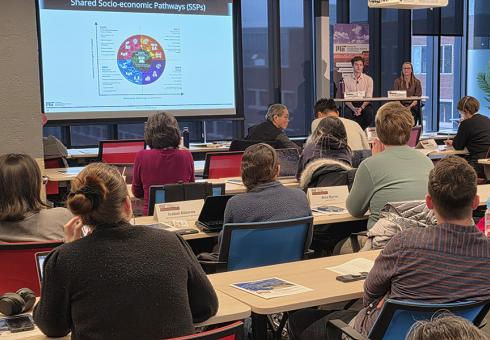
MIT CS3 presentations highlight multiple sustainability challenges and solutions
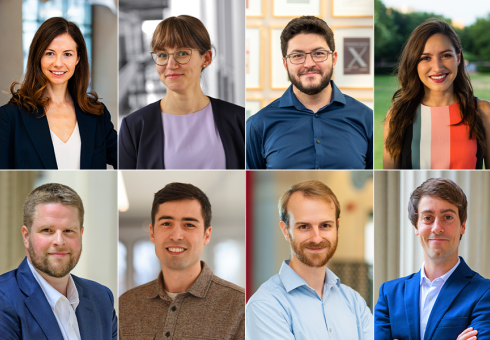
The newest MIT engineering faculty, including MIT Boeing Assistant Professor of Aeronautics and Astronautics/CS3 faculty affiliate Daniel Varon, are conducting research across a diverse range of subject areas (MIT School of Engineering)
Researchers like MIT EAPS Professor/CS3 faculty affiliate David McGee use chemical analyses, computer models, and other tools to date these valuable climate archives (MIT Climate Portal)