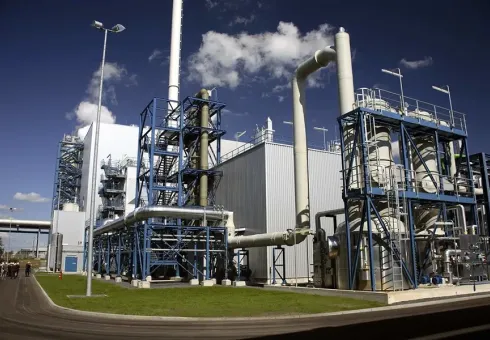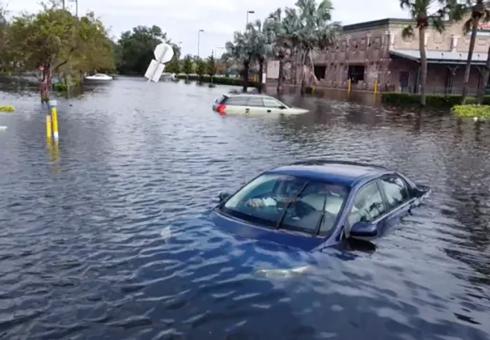
We don’t yet know how carbon removal technologies will compare at scale, and there is probably no one “best” method in all times and places, says MIT CS3 Principal Research Scientist Angelo Gurgel (MIT Climate Portal)
News & Media: Managed Resources
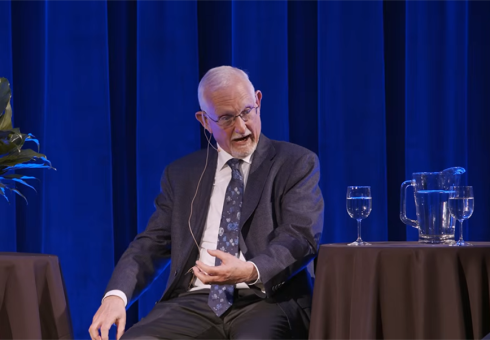
MIT Energy Initiative Senior Research Engineer and CS3-affiliate Howard Herzog discussed the challenges and benefits of carbon capture and storage during this year’s Isaac Asimov Memorial Debate, where panelists discussed geoengineering—a controversial approach to addressing climate change that some believe worth exploring (MIT Energy Initiative)
Study shows how ‘optimized’ diets could reduce malnutrition and environmental degradation
Study co-authored by MIT CS3 researchers highlights pathways favorable to multiple economic sectors and income groups
First workshop explores concept and potential research directions
The steel, cement, chemicals, agriculture, textiles and of course energy industries are all major emitters of climate-warming greenhouse gases—but the headline numbers don’t tell the whole story. MIT CS3 Deputy Director Sergey Paltsev explains. (MIT Climate Portal)
Amid growing concern about environmental and socioeconomic “tipping point” events, the MIT Center for Sustainability Science and Strategy (CS3) has launched a new, interactive workshop series aimed at advancing research discussions and collaborations to better understand, predict and inform proactive responses to their potential emergence. The kickoff Tipping Points workshop, held on February 27 on Zoom and facilitated by CS3 Deputy Director C. Adam Schlosser and Principal Research Scientist Jennifer Morris, included an overview of the concept, three flash talks on tipping points science and its potential application, and breakout sessions to identify key research challenges and opportunities.
MIT Energy Initiative Senior Research Engineer/CS3 faculty affiliate Howard Herzog discusses innovative ways to extract carbon dioxide from the atmosphere and their challenges (MIT Energy Initiative)
MIT CS3 Deputy Director Sergey Paltsev helps formulate government’s carbon capture action plan
Three questions with MIT CS3's Kevin Lin Yang, a master’s student in MIT’s Technology and Policy Program focusing on energy and environment
Federal climate inaction imperils property insurance and disaster relief programs amid increase in extreme weather events, say CS3-affiliate/MIT Professor of Management Emeritus Henry Jacoby and co-authors (The Hill)