
CS3 In the Media

Members of three working groups outline latest efforts implementing the ambitious plan, launched last year

Why it's important for U.S. scientists to sustain engagement with their Chinese and Russian peers (The Hill)

Faculty leaders highlight innovations that can close longstanding knowledge gaps and reimagine how the world responds to the climate crisis

Faculty leaders detail promising technologies, materials, and methods that could help unlock a low-carbon future in sectors where emissions are hardest to cut

The computer-vision technique behind these maps could help avoid contrail production, reducing aviation’s climate impact

Faculty leaders discuss the opportunities and obstacles in developing, scaling, and implementing their work rapidly

If wildfires become larger and more frequent, they might stall ozone recovery for years
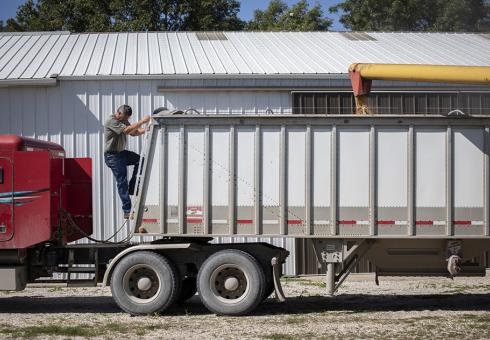
Long touted as a renewable fuel emitting 20 percent fewer greenhouse gases than gasoline, ethanol’s emissions may be 24 percent higher. If verified, one expert said the finding shows ethanol failed spectacularly. (Inside Climate News)

MIT Joint Program Co-Director Emeritus John Reilly suggests some avenues for improvement (Associated Press, Washington Post)

Wellington, Schroders and others are taking a more activist approach to managing their environmentally-sustainable funds (Institutional Investor) (Additional coverage: Pensions & Investments)
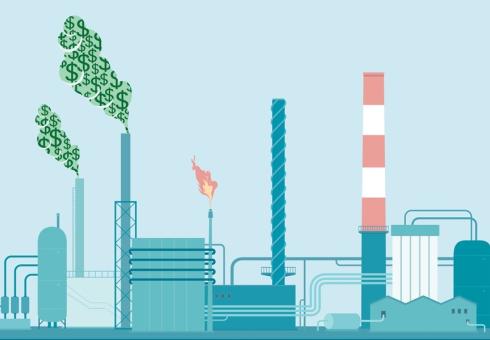
Study shows how a carbon tax can both accelerate reductions in greenhouse gas emissions and not hurt low-income households (United Nations)

New MITEI consortium focuses on speeding the energy transition, engaging with industrial leaders to deploy clean energy advances at scale