Commentary
Eos
Modern climate models were designed to simulate natural systems and changes mainly due to atmospheric carbon dioxide, rather than to predict effects of deliberate climate interventions

Modern climate models were designed to simulate natural systems and changes mainly due to atmospheric carbon dioxide, rather than to predict effects of deliberate climate interventions
As atmospheric concentrations of CFC-11 drop, the global ocean should become a source of the chemical by the middle of next century (Coverage: Scientific American)
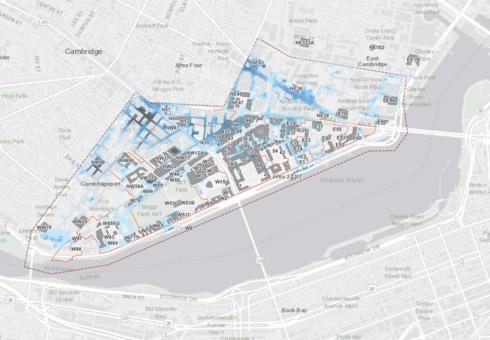
New climate resiliency dashboard helps reduce uncertainty of current and future flood risks in Cambridge
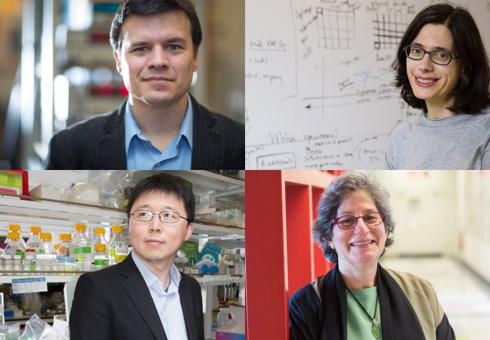
Pablo Jarillo-Herrero, Aviv Regev, Susan Solomon, and Feng Zhang are the recipients of distinguished awards for major contributions to science
MIT Joint Program faculty affiliate Noelle Selin shares scientific perspective in Civic Series webinar
Researchers identify a mechanism by which small particles in the atmosphere can generate more frequent thunderstorms
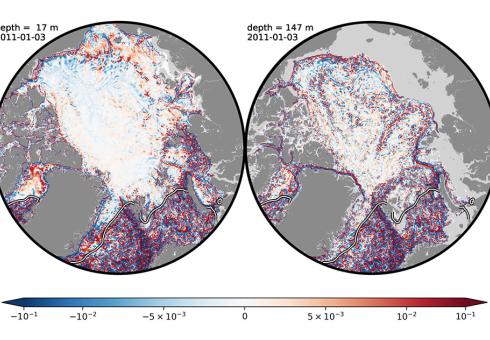
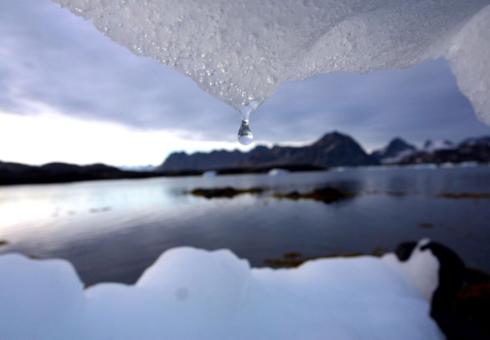
New study suggests waters will become more turbulent as Arctic loses summertime ice
Perspective from the MIT Joint Program on the Science and Policy of Global Change
Insights, news, projects, publications and other developments at the MIT Joint Program
ILP-MIT Joint Program webinar explores climate-related physical and transition risks
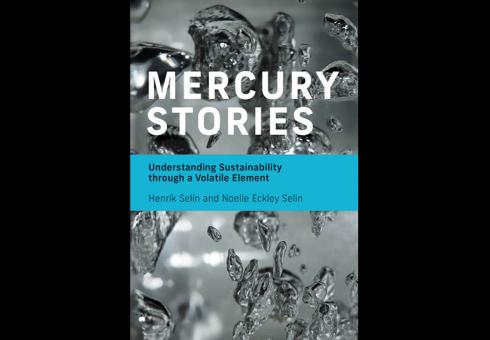
Noelle Selin explores toxin’s history, works to change policy (MIT Spectrum)
XLIII (43rd) MIT Global Change Forum highlights opportunities for science-based decision-making