DOE Highlight
Multi-sector dynamics modeling enables researchers to evaluate future trends and tipping points in continental U.S.

Multi-sector dynamics modeling enables researchers to evaluate future trends and tipping points in continental U.S.

Quantifying uncertainty in socio-economic outcomes can provide insight into the likelihood of future energy and emissions projections, thereby informing multi-sector risk assessment.
Commentary cites MIT Joint Program/Farm Journal Foundation report on how agriculture can help address climate change (CNN)
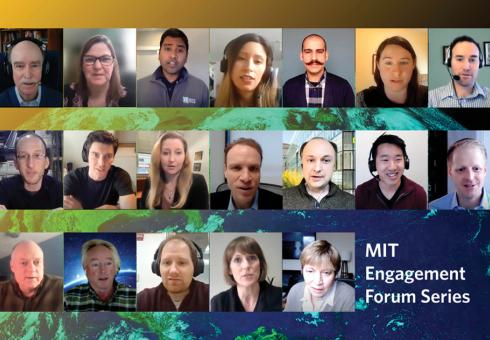
Lead authors of the MIT Joint Program's signature publication present the Outlook's projections of future energy, water, food, climate, and policy prospects
Six MIT Joint Program researchers and collaborators serve as presenters and moderators
MIT Joint Program Deputy Director Sergey Paltsev to serve as co-principal investigator on "Nature-based solutions for accelerating climate action," one of seven projects supported by the Imperial-MIT seed fund (Imperial College London) (Additional coverage: IAMC)
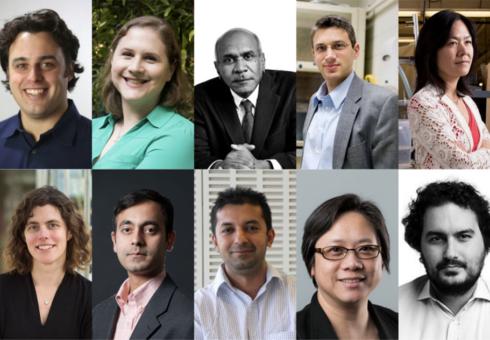
Ten principal investigators from seven MIT departments and labs will receive up to $150,000 for two years, overhead-free, for innovative research on global food and water challenges
2021 Global Change Outlook shows how more aggressive policies can sharply reduce climate risk
Report co-author/ Joint Program Co-Director Emeritus John Reilly explained how agriculture has the greatest stake in climate change, but also the greatest ability to reduce emissions in a variety of ways (AgWired)
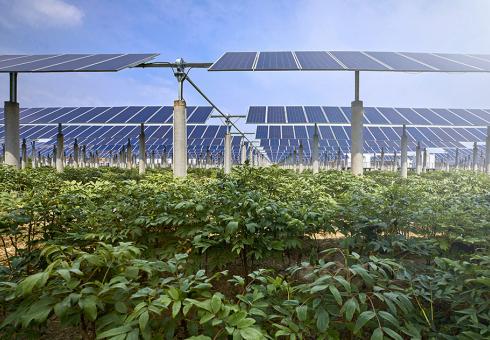
New report shows how U.S. agriculture can fight climate change
Symposium highlights ambitious goals of MIT–industry research targeting technologies to reduce greenhouse gas emissions (MIT Energy Initiative)
If the pandemic revealed what could be considered low-hanging fruit in the climate fight, it also highlighted the sheer scope of the problem. (NBC News)