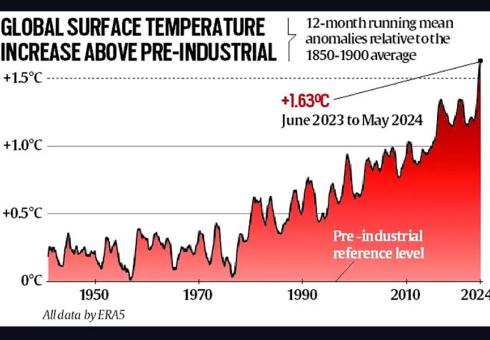
There is an 80% chance that the world will temporarily cross the 1.5 degree Celsius threshold in the next five years. A long-term breach would accelerate and intensify the catastrophic impacts of climate change. (The Indian Express)

News and Outreach: Sergey Paltsev
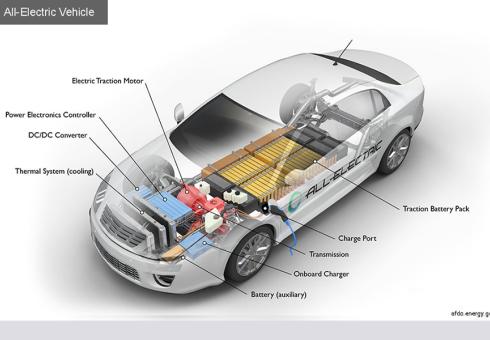
MIT Joint Program Deputy DIrector Sergey Paltsev highlights lower climate impact of EVs over conventional vehicles (MSN, The Cool Down)
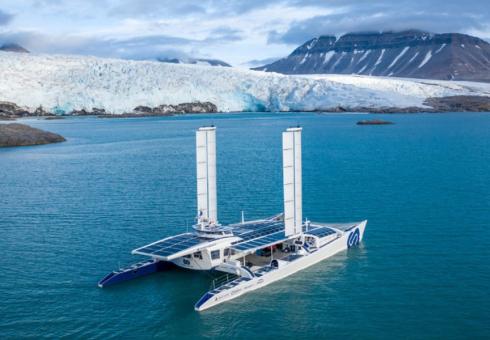
Launched in 2017 in France, the Energy Observer operates as a mobile clean energy laboratory and as a demonstration of its onboard technologies (Boston Globe)
Behind the headlines, evidence points to an industry continuing to grow and innovate (Christian Science Monitor)
The MIT Energy Initiative and a consortium of Taiwanese companies are exploring how Taiwan can secure its energy future as the world transitions away from fossil fuels (MIT Energy Initiative)
MIT Joint Program Deputy Director Sergey Paltsev shares his perspective on the TILclimate podcast (MIT Climate Portal)
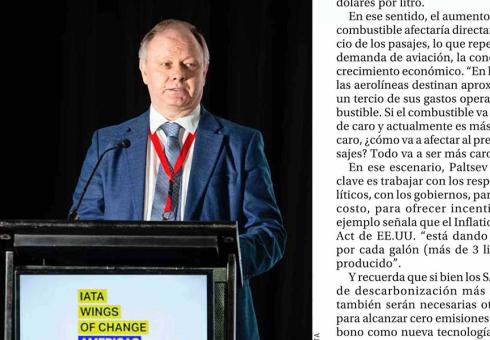
So said MIT Joint Program Deputy Director Sergey Paltsev in a presentation at the April 10-11 Wings of Change Americas conference in Santiago, Chile (Litoral Press, Spanish)
Key takeaways from the XLVI (46th) MIT Global Change Forum
Deputy Director Sergey Paltsev speaks on the 1.5°C climate target and flying with hydrogen (Coverage: Houston Chronicle)
Supply-side restrictions, like shutting down new oil wells or gas pipelines, tend to lead to more imports and minimal impacts on greenhouse gas emissions—unless paired with other policies that limit demand for fossil fuels (MIT Climate Portal)
Study suggested EVs expel more particulate matter through their tires and brakes than modern gas-powered vehicles due to added weight from batteries (Daily Mail)