Key points from the 48th MIT Global Change Forum
News and Outreach: Paul O'Gorman
MIT is all about making the world a better place. This special report on the Climate Grand Challenges initiative looks at how the Institute’s problem solvers are stepping up to help save the planet from the devastating effects of global warming. (Technology Review)
To better inform local policy in the face of changing weather extremes, MIT researchers--including seven affiliated with the Joint Program--seek to advance the modeling of long-term weather risks (MIT School of Science)
Joint Program researchers participating in three: Bringing Computation to the Climate Challenge, Preparing for a new world of weather and climate extremes, and The Climate Resilience Early Warning System (MIT News) (Coverage: Boston Business Journal)
Website features accessible "Explainers" by MIT Joint Program researchers and other MIT climate experts
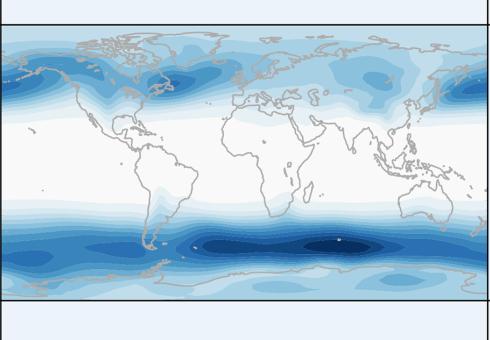
Solar geoengineering proposals will weaken extratropical storm tracks in both hemispheres, scientists find
Study finds rising temperatures feed more energy to thunderstorms, less to general circulation
As machine learning expands into climate modeling, EAPS Associate Professor Paul O’Gorman answers what that looks like and why it's important now
Intensification of extreme rainfall varies from region to region, study shows
Study co-authored by Joint Program affiliate Paul O'Gorman shows that the most extreme rain events in most regions of the world will increase in intensity by 3-15%, depending on region, for every degree Celsius that the planet warms. Additional Coverage: Eco-Business
Associate Professor Paul O'Gorman, an MIT Joint Program-affiliated researcher, describes three questions climate scientists recently suggested should frame the future of climate research
'This is not a view shared by us': After MIT professor emeritus Richard Lindzen writes letter urging Trump to withdraw from climate accord, faculty responds.
Related coverage: Climate@MIT, Boston Globe
New technique predicts frequency of heavy precipitation with global warming