
News + Media

Study explores steps needed to measure each nation’s climate progress
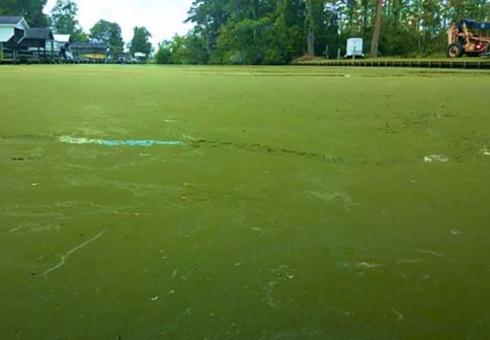
Tufts University-led study--co-authored by three MIT Joint Program researchers--predicts growth of cyanobacteria in lakes and reservoirs due to global warming. Coverage: NPR/Michigan Radio, WGBH

It’s a challenge to attribute any one storm or heat wave to climate change, but scientists are getting closer. MIT Joint Program Deputy Director C. Adam Schlosser comments in Smithsonian.com.

One drought remedy: Keep infrastructure fast, cheap, and under control

MIT Joint Program researchers organize and co-edit symposium on the topic in Review of Environmental Economics and Policy
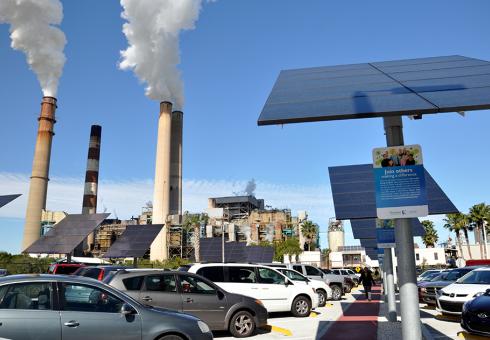
In The Conversation, MIT Joint Program Research Scientist Jennifer Morris makes an economic case for why U.S. electricity providers should increase their investments in non-carbon power sources. Additional coverage: Salon

Only if the government provides subsidies to farmers who invest in the practice, suggests study co-authored by MIT Joint Program Research Scientist Kenneth Strzepek

Simons Foundation supports enhanced computer infrastructure for MIT's Darwin Project, which focuses on marine microbes and microbial communities that impact the ocean's food web and global carbon cycle

Various studies suggest the problem of rising temperatures is growing. Joint Program Co-Director John Reilly and CEEPR Deputy Director Michael Mehling comment in US News & World Report.
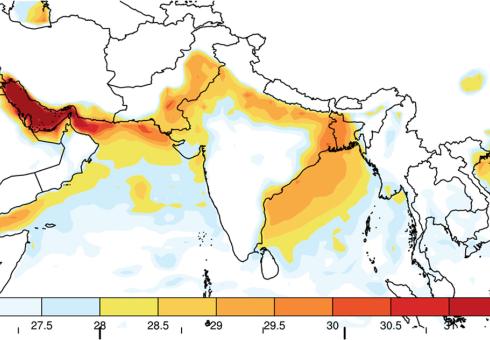
Without action, climate change could devastate a region home to one-fifth of humanity, study finds