
CS3 In the Media
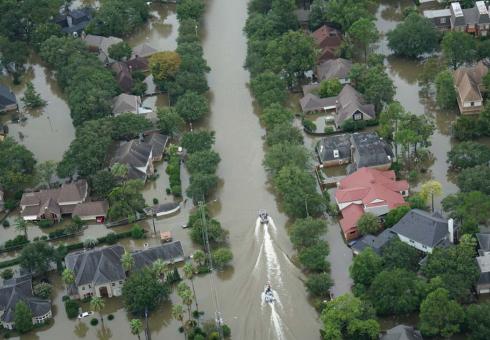
Study finds state’s annual risk of extreme rainfall will rise from 1 to 18 percent
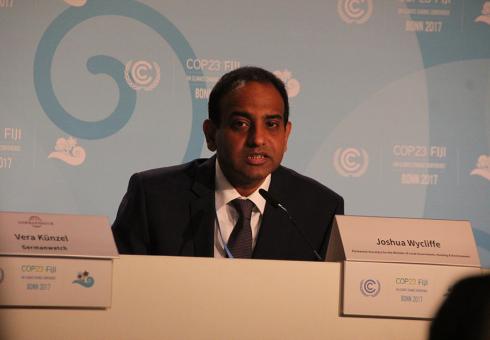
US News & World Report: MIT Joint Program co-founder Henry Jacoby expresses concern about the transparency of emissions reporting among signatories of the Paris Agreement.
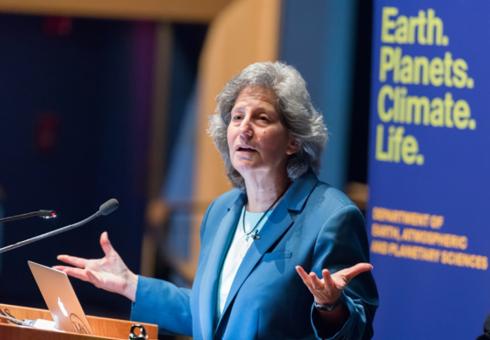
Susan Solomon's John H. Carlson Lecture examines past environmental challenges in the context of today's fight against climate change

Research, education, and student activities help create a robust community focused on fueling the world's future
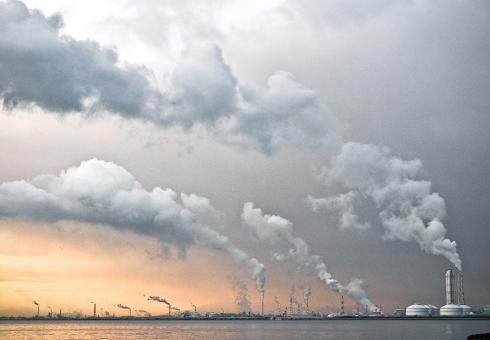
"A serious commitment to long-run climate goals requires we stay focused on planning for a zero-carbon world," writes MIT Joint Program Co-Director John Reilly in The Energy Collective.
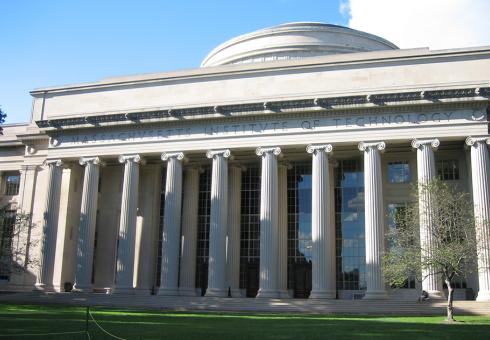
HIghlights from around the Institute include recent Joint Program developments
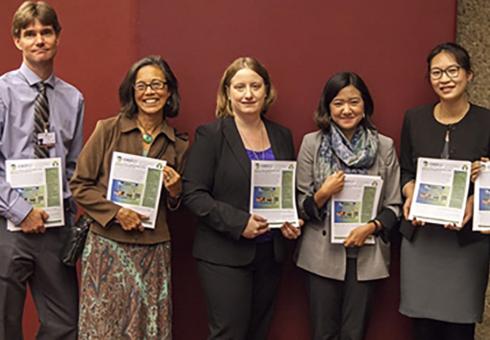
With IPL support, MIT Associate Professor Noelle Selin led a delegation of MIT researchers to the first conference on the Minamata Convention on Mercury
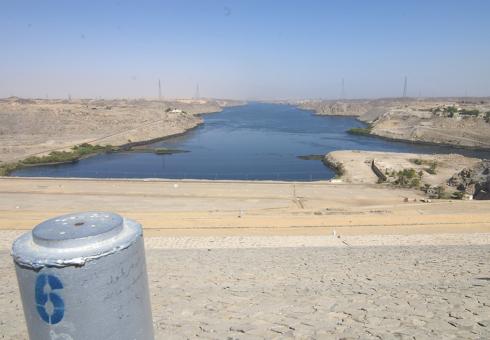
Bloomberg/AP: MIT Joint Program Research Scientist Kenneth Strzepek comments on the impact of Ethiopian dam on Egypt's water supply

Michael Bloomberg will deliver keynote address
In Episode 11 of MIT ClimateX Climate Conversations, MIT Joint Program research scientists Élodie Blanc and Erwan Monier discuss how climate modeling and collaborative research are used to assess climate impacts on regional agriculture, the economy and industry
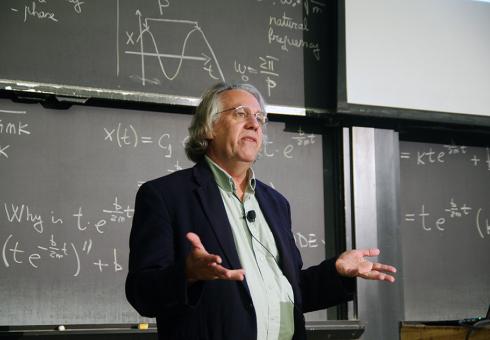
Climate scientist describes physics behind expected increase in storm strength due to climate change
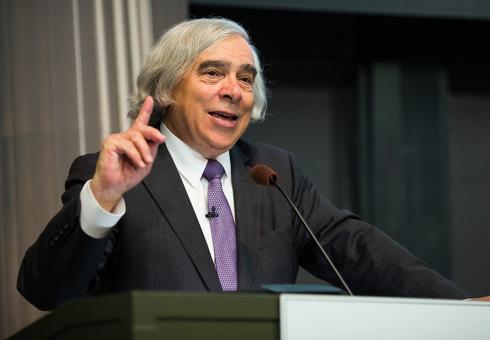
In MIT’s Compton Lecture, former U.S. energy secretary speaks on global security risks