Around Campus
MIT News
Study finds ocean circulation, coupled with trade wind changes, efficiently limits shifting of tropical rainfall patterns

Study finds ocean circulation, coupled with trade wind changes, efficiently limits shifting of tropical rainfall patterns
A 50-year dry spell has reversed, with more rain to come
Study highlights need to improve modeling of carbon-rich Northern Eurasia
MIT Joint Program-affiliated professor of atmospheric chemistry honored for her contributions to atmospheric science
Boston Globe: Study is one of the first to examine how the warming climate could affect the availability and distribution of the water basins that farmers depend on for irrigation (Additional coverage: KJZZ, Environmental Leader)
MIT Joint Program Co-Director John Reilly discusses the complex nature of climate modeling, and the challenges faced by the climate science community in the current political climate
By 2050, the Southwest will produce significantly less cotton and forage, researchers report
Study finds large amounts of carbon dioxide, equivalent to yearly U.K. emissions, remain in surface waters
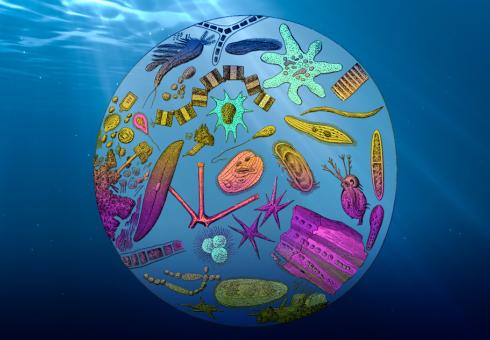
MIT climate scientists, including EAPS Associate Professor and Joint Program collaborator MIck Follows, have found that the ocean’s export efficiency, or the fraction of total plankton growth that is sinking to its depths, is decreasing, due mainly to rising global temperatures.
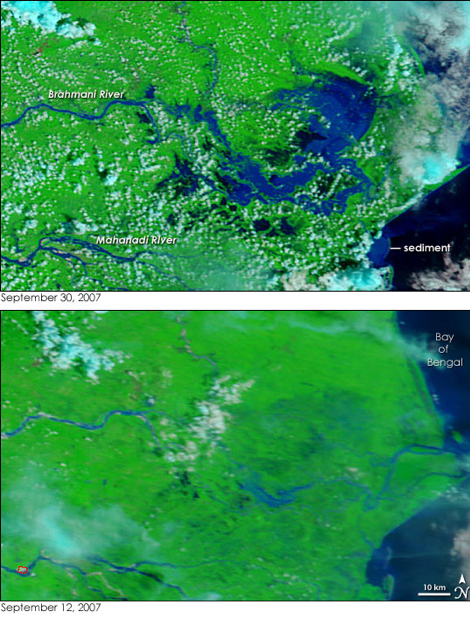
Based on global climate models and multiple hypotheses, scientists expected a 50-year drying trend to continue unabated into the 21st century, but a new study in Nature Climate Change shows that the trend has reversed.
Washington Post: MIT Joint Program-affiliated EAPS Prof. Kerry Emanuel co-authors op-ed critiquing the EPA administrator's call for opposing teams to debate climate change science
FactCheck.org: The 0.2 C figure “reflects only the incremental effect of Paris when built upon all the previous commitments made through the UNFCCC,” and “assumed no further strengthening of national commitments in years after 2030,” says MIT Joint Program Co-Director John Reilly.
Kenneth Strzepek applies models to help decision-makers advance food security and sustainable development in a climate-compromised continent