News Release
Pledges to catalyze opportunities for continuous improvement in sustainability of commodity crop production

Pledges to catalyze opportunities for continuous improvement in sustainability of commodity crop production
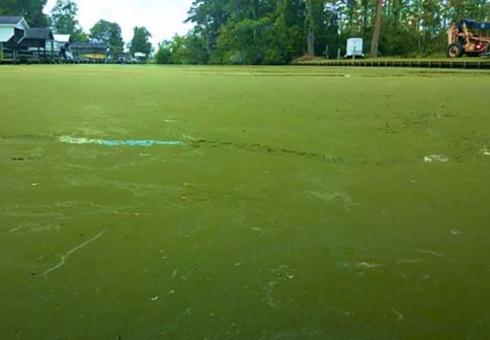
Tufts University-led study--co-authored by three MIT Joint Program researchers--predicts growth of cyanobacteria in lakes and reservoirs due to global warming. Coverage: NPR/Michigan Radio, WGBH
One drought remedy: Keep infrastructure fast, cheap, and under control
MIT Joint Program researchers organize and co-edit symposium on the topic in Review of Environmental Economics and Policy
Only if the government provides subsidies to farmers who invest in the practice, suggests study co-authored by MIT Joint Program Research Scientist Kenneth Strzepek
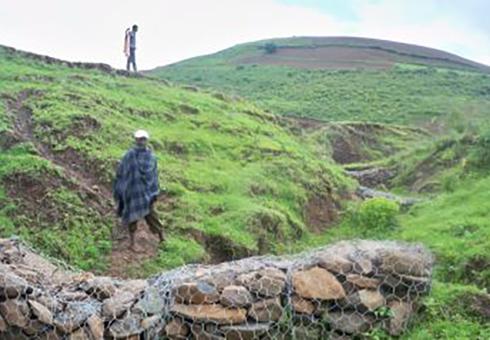
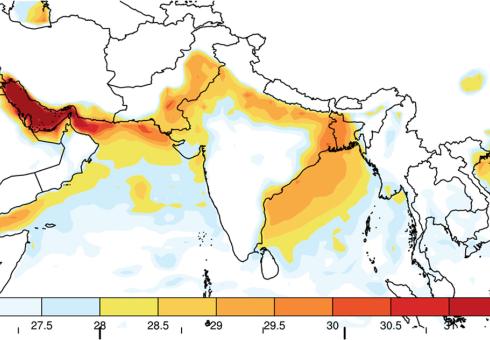
Without action, climate change could devastate a region home to one-fifth of humanity, study finds
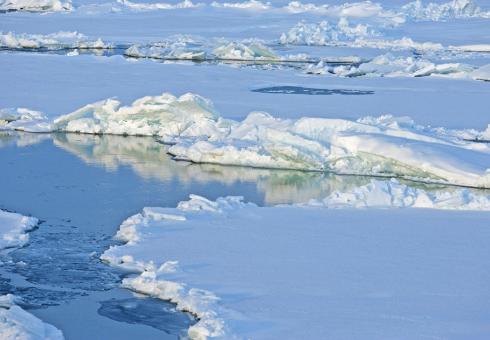
Study highlights need to improve modeling of carbon-rich Northern Eurasia
Boston Globe: Study is one of the first to examine how the warming climate could affect the availability and distribution of the water basins that farmers depend on for irrigation (Additional coverage: KJZZ, Environmental Leader)
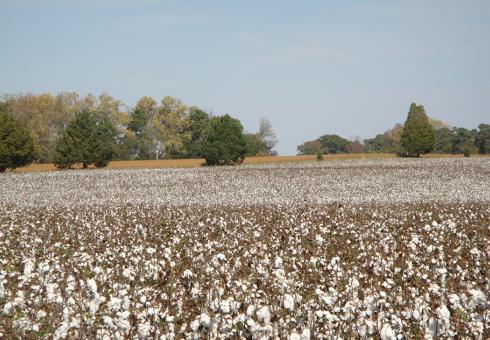
By 2050, the Southwest will produce significantly less cotton and forage, researchers report
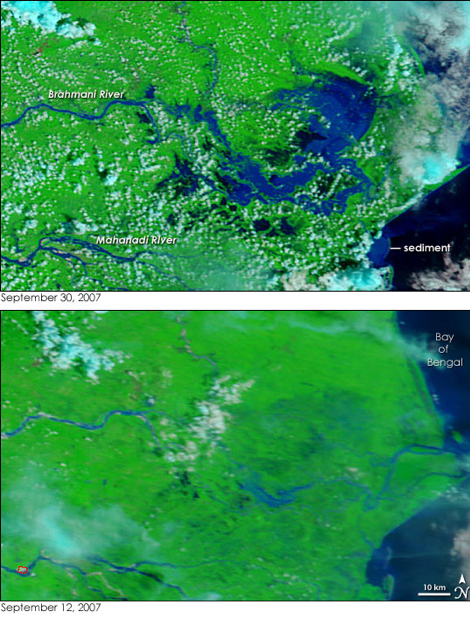
Based on global climate models and multiple hypotheses, scientists expected a 50-year drying trend to continue unabated into the 21st century, but a new study in Nature Climate Change shows that the trend has reversed.

A critical factor in projecting energy, water and land use.
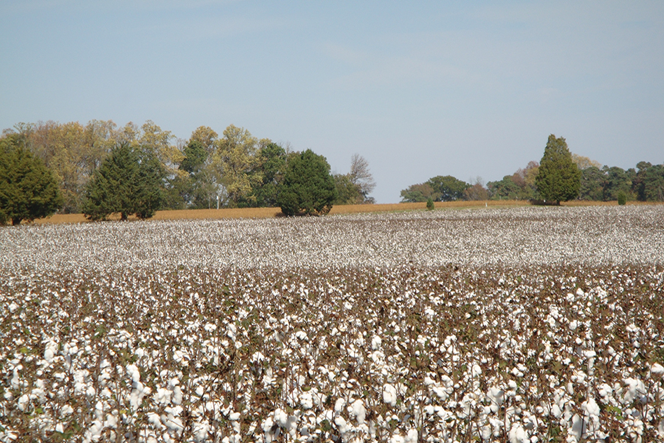
Water available for irrigation will be affected by climate and increasing demand from other sectors, with consequences for energy-water-land interactions.