Around Campus
MIT News
The atmospheric chemist shared the Nobel Prize for the discovery that chemicals known as CFCs deplete the ozone layer

The atmospheric chemist shared the Nobel Prize for the discovery that chemicals known as CFCs deplete the ozone layer
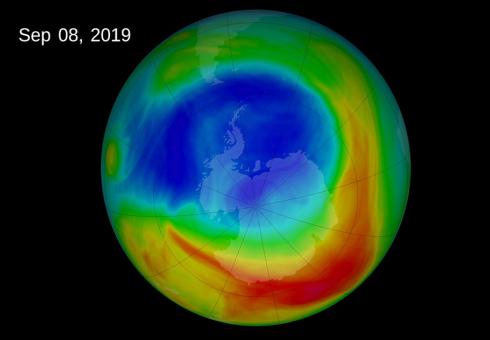
The Montreal Protocol has begun to heal the Antarctic ozone hole, but recent research shows that new unexpected emissions are undermining the Protocol’s success
Atmospheric chemist is recognized for her “leadership in working toward real-world solutions to address the global climate crisis.”
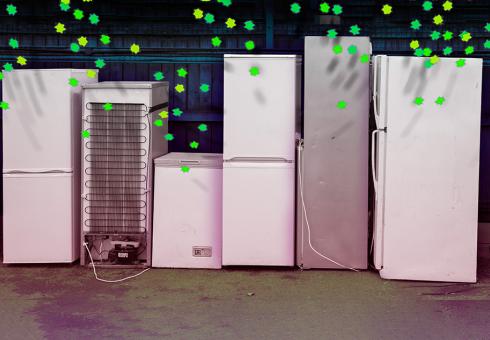
Recovering and safely destroying the sources of these chemicals could speed ozone recovery and reduce climate change
MIT Joint Program researchers explore science and policy implications at BU workshop
Joint Program researchers contribute to new MIT report on climate, agriculture, water and food security
Susan Solomon’s research pinpointed how CFCs caused the Antarctic ozone hole—and later showed that the Montreal Protocol is helping to mend it. She’s convinced we can make progress on addressing climate change, too. (Technology Review)
MIT atmospheric chemist Susan Solomon delivers the portion of the Bulletin of the Atomic Scientists statement focused on climate change, an area of particular concern (Nature)
Professor of atmospheric chemistry honored for her contributions to atmospheric science
Joint Program projects advance water and food security
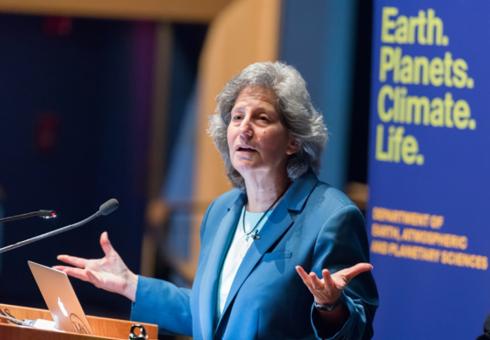
Susan Solomon's John H. Carlson Lecture examines past environmental challenges in the context of today's fight against climate change
MIT Joint Program-affiliated professor of atmospheric chemistry honored for her contributions to atmospheric science