
News + Media

Faculty leaders discuss the opportunities and obstacles in developing, scaling, and implementing their work rapidly

If wildfires become larger and more frequent, they might stall ozone recovery for years
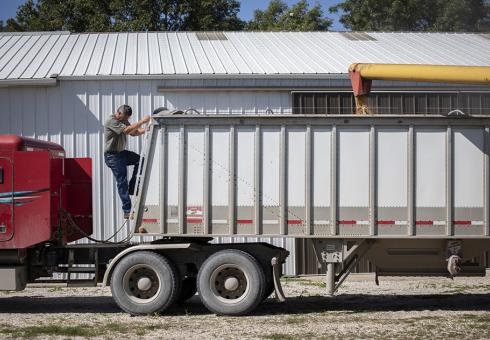
Long touted as a renewable fuel emitting 20 percent fewer greenhouse gases than gasoline, ethanol’s emissions may be 24 percent higher. If verified, one expert said the finding shows ethanol failed spectacularly. (Inside Climate News)
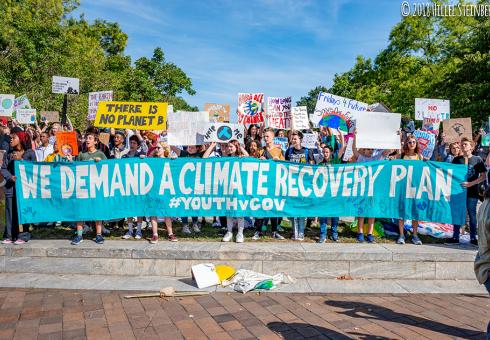
Growing demand for an energy transition could move the needle, but not far enough

MIT Joint Program research scientists are co-investigators on one-third of the selected projects, with a focus on decarbonizing complex industries and preparing for climate extremes. (MIT News)

The MIT Joint Program uses MGHPCC computing resources to make projections of future risks to the sustainability of energy, food, water and climate systems under different policy scenarios (MGHPCC)

MIT Joint Program Co-Director Emeritus John Reilly suggests some avenues for improvement (Associated Press, Washington Post)

Joint Program Deputy Director Sergey Paltsev and other speakers call for rapid deployment of integrated strategies to meet global energy needs and mitigate climate change (MIT Energy Initiative)

Wellington, Schroders and others are taking a more activist approach to managing their environmentally-sustainable funds (Institutional Investor) (Additional coverage: Pensions & Investments)
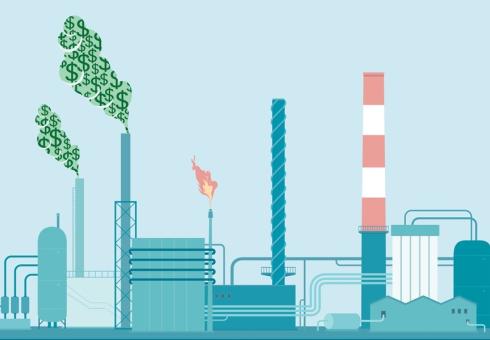
Study shows how a carbon tax can both accelerate reductions in greenhouse gas emissions and not hurt low-income households (United Nations)
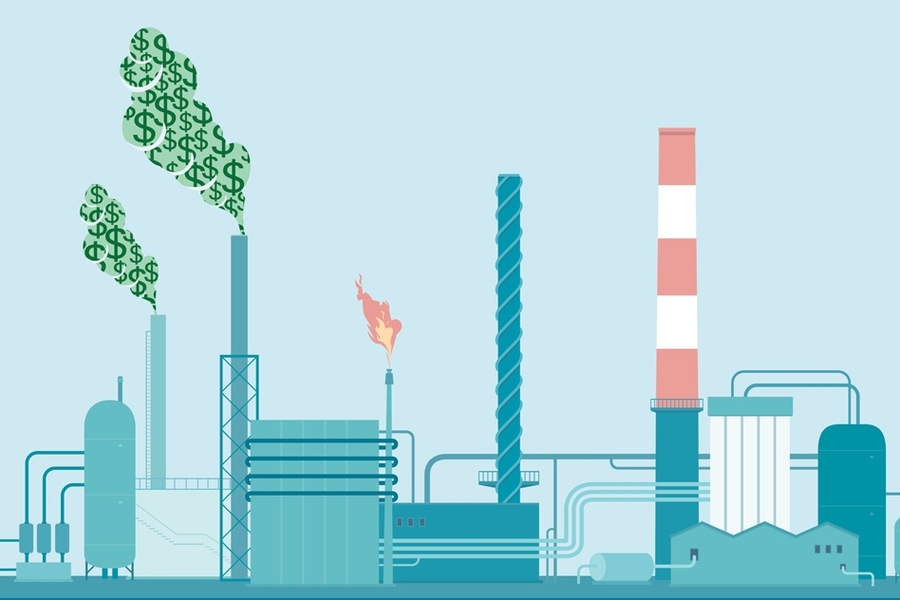
A new UN video on climate change explains how carbon pricing can help advance a transition to a low-carbon future.

Focus on transition risks complements Wellington's existing physical-risk capability