News Release
MIT CS3 presentations and sessions explore multiple sustainability challenges and solutions

MIT CS3 presentations and sessions explore multiple sustainability challenges and solutions
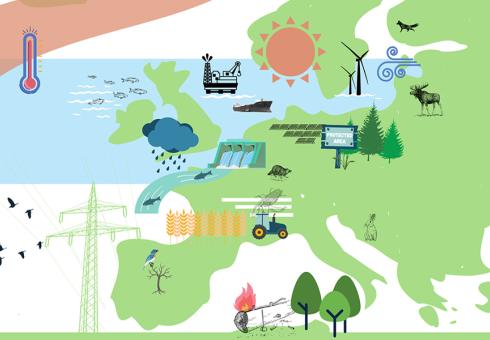
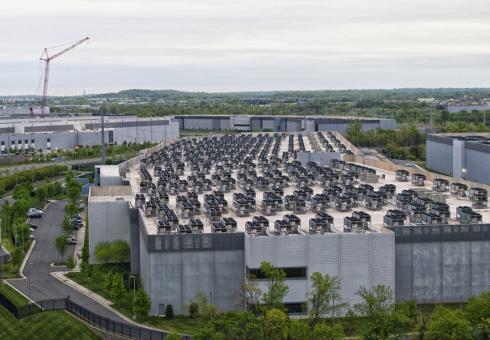
The Climate Grand Challenges “New World of Weather” project, which involves several CS3-affiliated researchers, shows how modeling, planning tools, and infrastructure analysis are translating research into real-world resilience (Office of the Vice President for Energy and Climate)
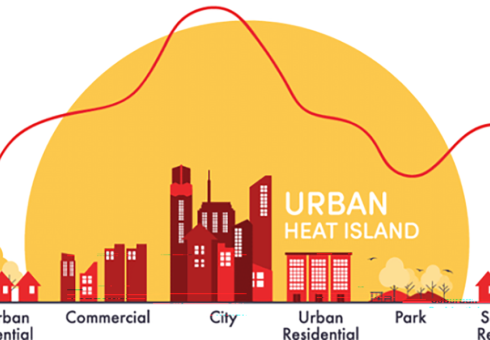
No—climate scientists are careful to remove the signal of urban warming from the global temperature record. Even in the raw, unadjusted data, urban heat islands explain a very small fraction of the global climate change we have observed. MIT CS3 Deputy Director C. Adam Schlosser explains. (MIT Climate Portal)
A new MIT CS3 study evaluates economic impacts of combining climate and biodiversity action
MIT CS3 Deputy Director C. Adam Schlosser highlights what we can expect from the global to the local (Boston Globe)
A new MIT Global Change Outlook finds current climate policies and economic indicators put the world on track for dangerous warming (Inside Climate News) (Additional coverage: Boston Globe)
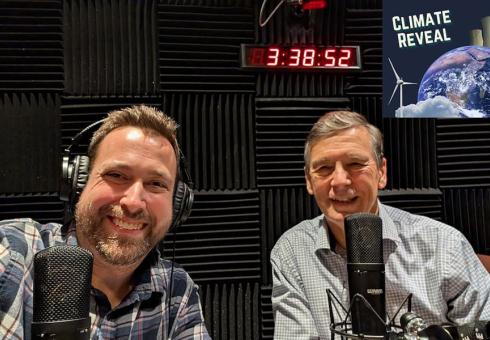
Multiple MIT CS3 researchers have shared their climate science and policy expertise on the new podcast (Boston College Schiller Institute)
New Global Change Outlook shows how accelerated action can reduce climate risks and improve sustainability outcomes, while highlighting potential geopolitical hurdles
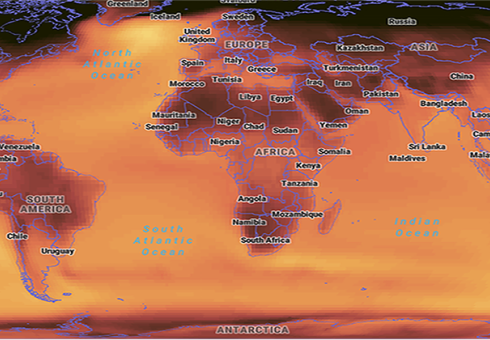
A new, interactive, Temperature-Change-by-Location map co-developed by Climate Interactive and MIT's Bringing Computation to the Climate Challenge (BC3) displays projected temperature changes in local areas across the century under different scenarios. The MIT BC3 team includes several MIT CS3-affiliated researchers. (Climate Interactive)
WBZ Chief Meteorologist Eric Fisher and MIT CS3 Deputy Director C. Adam Schlosser discuss how we know the climate is changing, why it's so difficult to talk about in this current moment, and how to stay positive and optimistic when dealing with such a big problem. Each episode of Climate Reveal takes a deep dive into a specific aspect of the climate crisis and ongoing work toward solutions. (Boston College Creative Communication Lab)
MIT CS3 researchers to lead two projects that will explore viable pathways for expanding clean electricity and deploying ammonia as a low-carbon alternative fuel (MIT Energy Initiative)
Planting new vegetation is one way to remove carbon from the air, says CS3 Deputy Director C. Adam Schlosser (Boston Globe)